
Sustainable refurbished systems promotes green initiative through reduced CO2 emissions in the environment
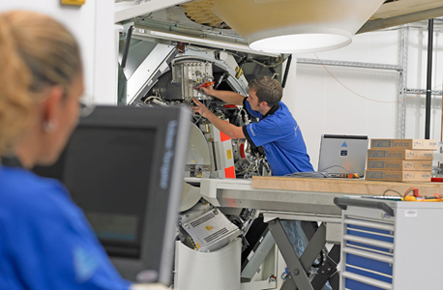
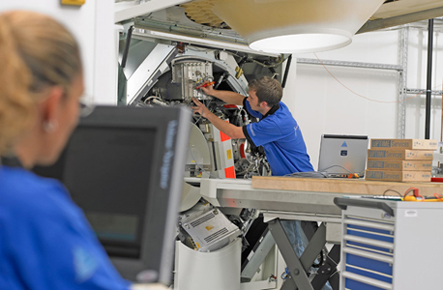
While the demand for high quality equipment with modern technology continues to grow, budgets in the healthcare sector remain limited. To address this concern, Siemens Refurbished Systems business unit has expanded it’s Proven Excellence program and developed Scalable Refurbishment offering flexible solutions based on customer needs and budgets, without compromising the original promise of excellent quality, security, and service.
Since Siemens’ entry into the refurbishment market of medical imaging and treatment devices, many customer references have shown that Siemens Proven Excellence is a successful remedy for budget-conscious healthcare providers. Costs decrease through the purchase of refurbished devices, while quality of care increases through better access to excellent imaging and new technology.
“As different as the buying patterns regarding refurbished and new systems are, the majority of all customers require scalable services and features,” said Sabine Duffy-Sandstrom, vice president, Refurbished Systems, Siemens Healthcare. “This is why Siemens decided to offer scalable refurbishing process to better meet customer requirements.”
Determining the Customers’ Needs
To better meet the needs of customers’, Siemens conducted a survey that revealed what healthcare providers really want with respect to refurbished imaging systems. Siemens analyzed future buying patterns and expectations of customers in 17 countries from private and public hospitals, private practices, and imaging centers.
Results showed that new purchases of systems in the future will decrease and that the purchase of refurbished systems will increase by more than 200 percent. Currently, more than 50 percent of all systems bought by private practices are refurbished. Around 65 percent of all systems acquired by imaging centers are pre-owned and specifically approximately 90 percent of all MRI systems installed there are refurbished.
Other results revealed that hospital size determines importance of system attributes. While large hospitals frequently require a perfect appearance of their systems, smaller regional hospitals oftentimes put more importance on the sole functioning of the system. Because of these varying demands, Siemens expanded their Proven Excellence program. As part of the program, all systems undergo a refurbishing process that ensures compliance with Siemens’ excellent quality standards. After completion of this process, the systems receive the Proven Excellence quality seal, representing the fulfillment of strict specifications of relevant international norms and standards, as well as security regulations. Then, customers can choose additional refurbishment options on top to further enhance their system.
Creating a Sustainable Environment
The technique of refurbishing pre-owned medical devices has always been an environmentally-friendly option, allowing for an average material reuse of 98 percent in refurbished systems. While the refurbishment process contributes to sustainability and to extending the respective product lifecycle by preserving, recycling valuable resources, and ensuring that the environment is also protected is Siemens high priority.
In 2009, Siemens reported that the refurbishment of its systems contributed to nearly 20,000 tons of carbon dioxide (CO2) reduction. This amount of savings is equal to the CO2 storage of approximately 79 acres of tropical rainforest, or the yearly electrical power consumed by approximately 5,700 households.*
Recognizing the need for social responsibility, Siemens has implemented a new environmental protection campaign that combats CO2 emissions from two angles: refurbishing its own systems to save CO2 and contributing to CO2 absorption with planted trees in Indonesia. Now, with Siemens Sustainable Impact Program, customers can afford a state-of-the-art system, while directly contributing to environmental protection.
Siemens’ Healthcare Sector in Indonesia has recently signed an agreement with the Indonesian arm of World Wildlife Fund (WWF) to coordinate the New-Trees-Initiative of WWF in Indonesia. Through the support of its refurbished systems business, Siemens will help ensure that approximately 79 acres of rain forest in Indonesia will be replanted. For each Siemens Proven Excellence System sold, trees will be planted in the rain forest of Indonesia’s Sebangau National Park. The number of seedlings planted is based on the amount of CO2 saved by the respective system sold. For example, Siemens estimates that approximately 80 seedlings will be planted for each CT unit shipped, so that, when mature, the trees will capture nearly 14 tons of CO2. In addition, customers can track their respective “trees” through “geotags” on Google Earth to monitor their growth and progress.
The nature reserve is in Kalimatan, the Indonesian part of Borneo, which is the largest island in the world and has one of the most biologically diverse tropical rainforests in the world, as well as home to many endangered species, including the orangutan.
*KfW development bank, “Tropenwaldschutz als Klimaschutz”, Nov. 2008.
The Siemens Healthcare Sector is one of the world's largest suppliers to the healthcare industry and a trendsetter in medical imaging, laboratory diagnostics, medical information technology and hearing aids. Siemens offers its customers products and solutions for the entire range of patient care from a single source – from prevention and early detection to diagnosis, and on to treatment and aftercare. By optimizing clinical workflows for the most common diseases, Siemens also makes healthcare faster, better and more cost-effective. Siemens Healthcare employs some 48,000 employees worldwide and operates around the world. In fiscal year 2009 (to September 30), the Sector posted revenue of 11.9 billion euros and profit of around 1.5 billion euros. For further